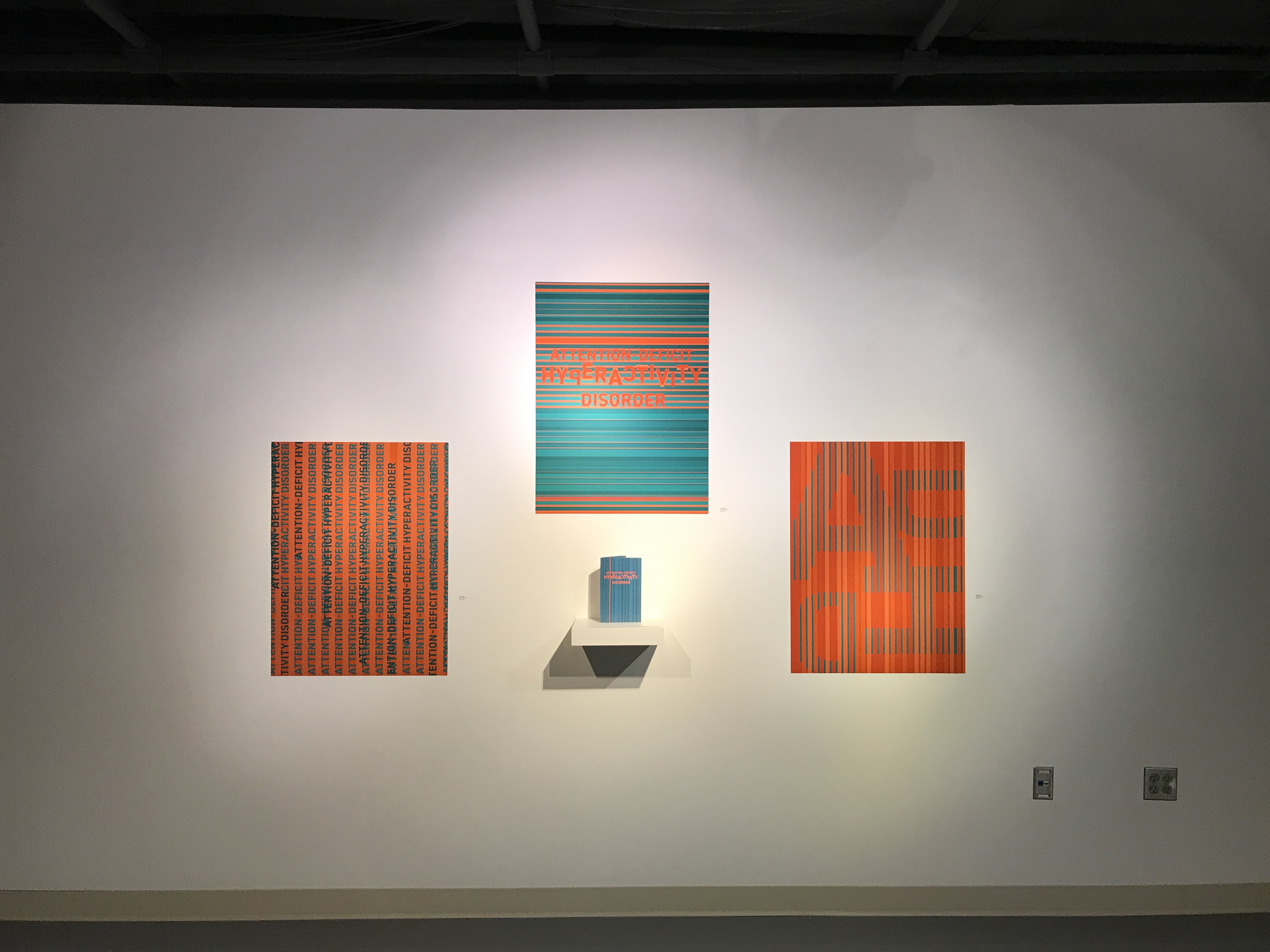
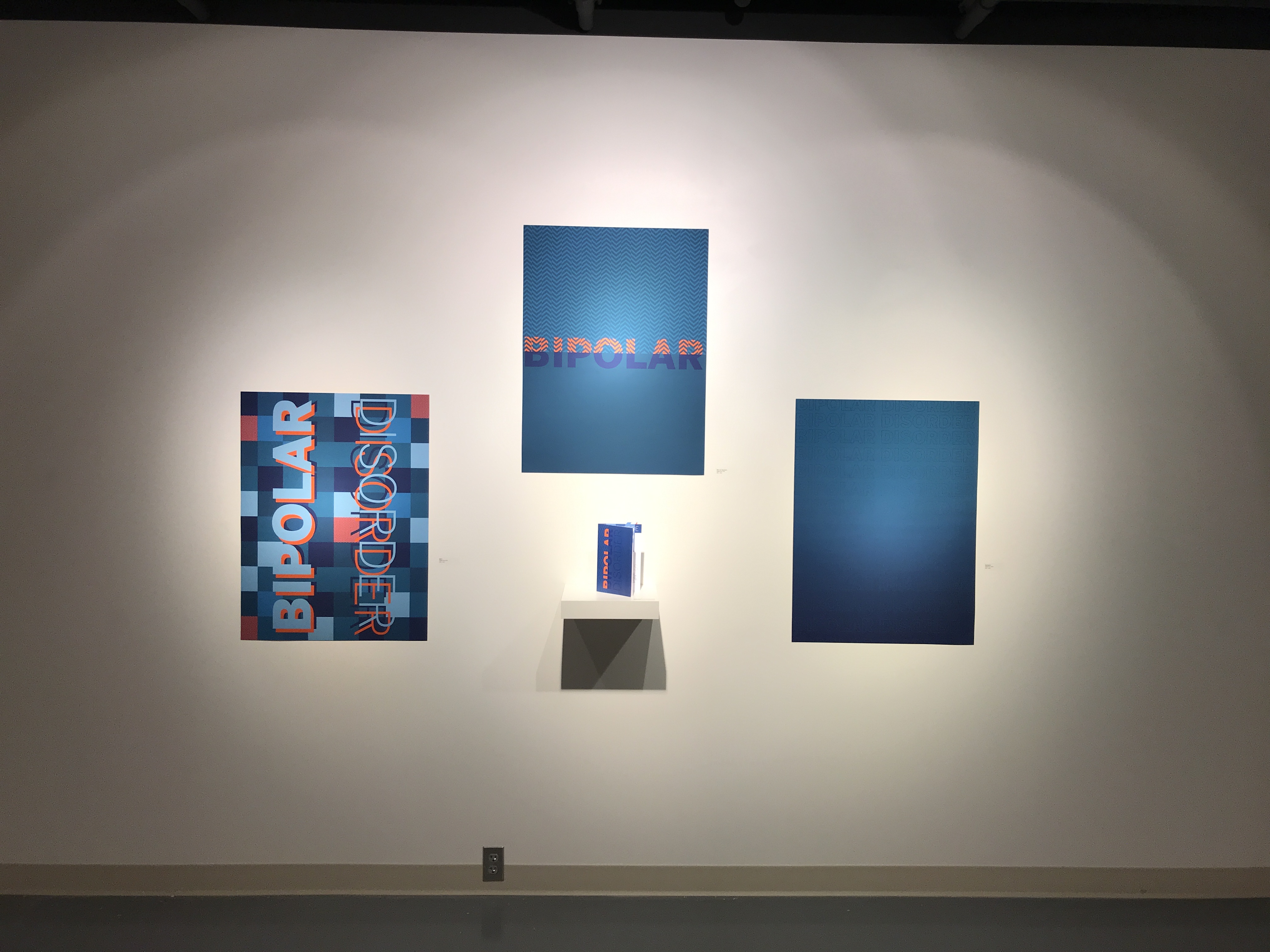
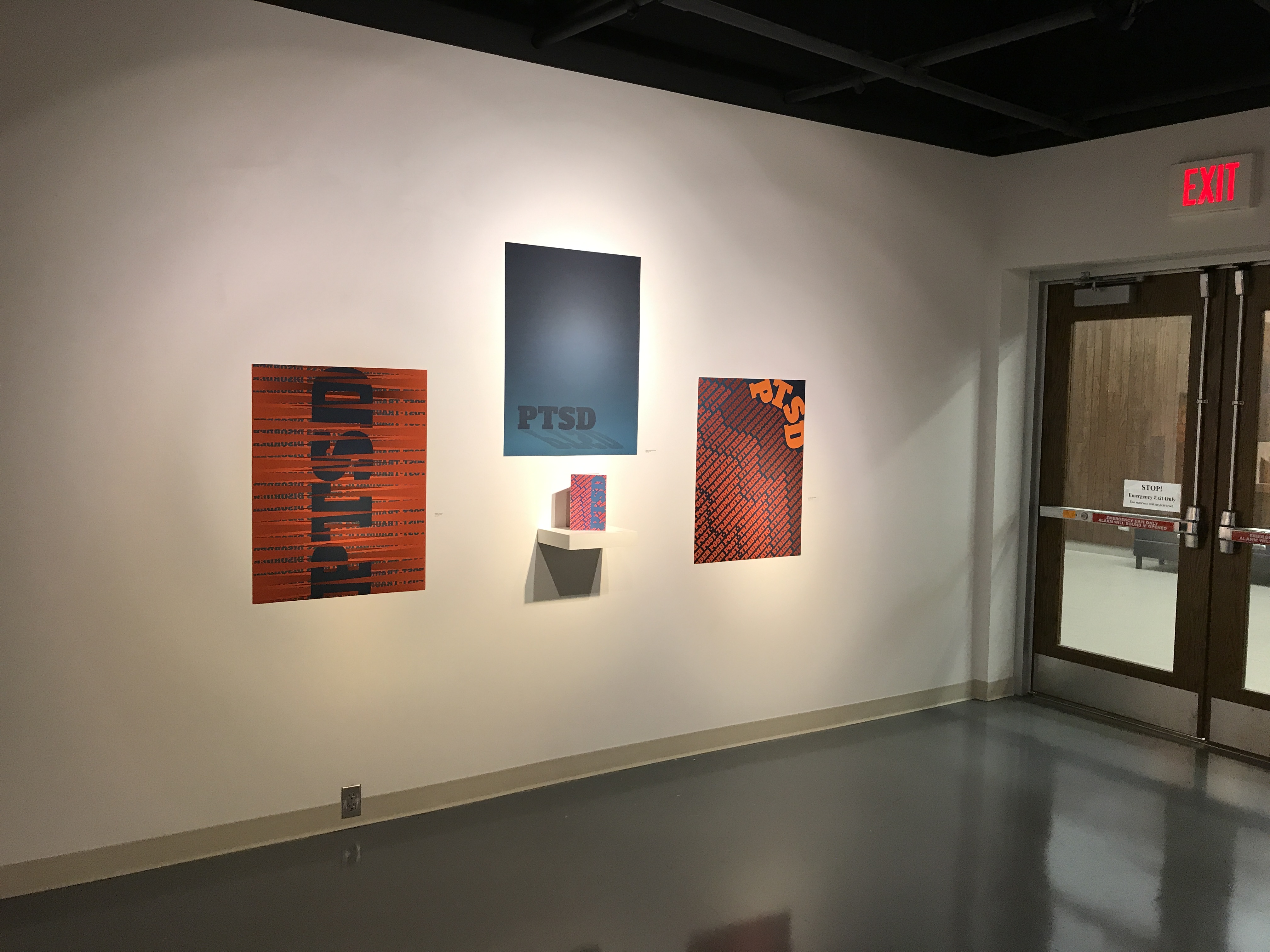
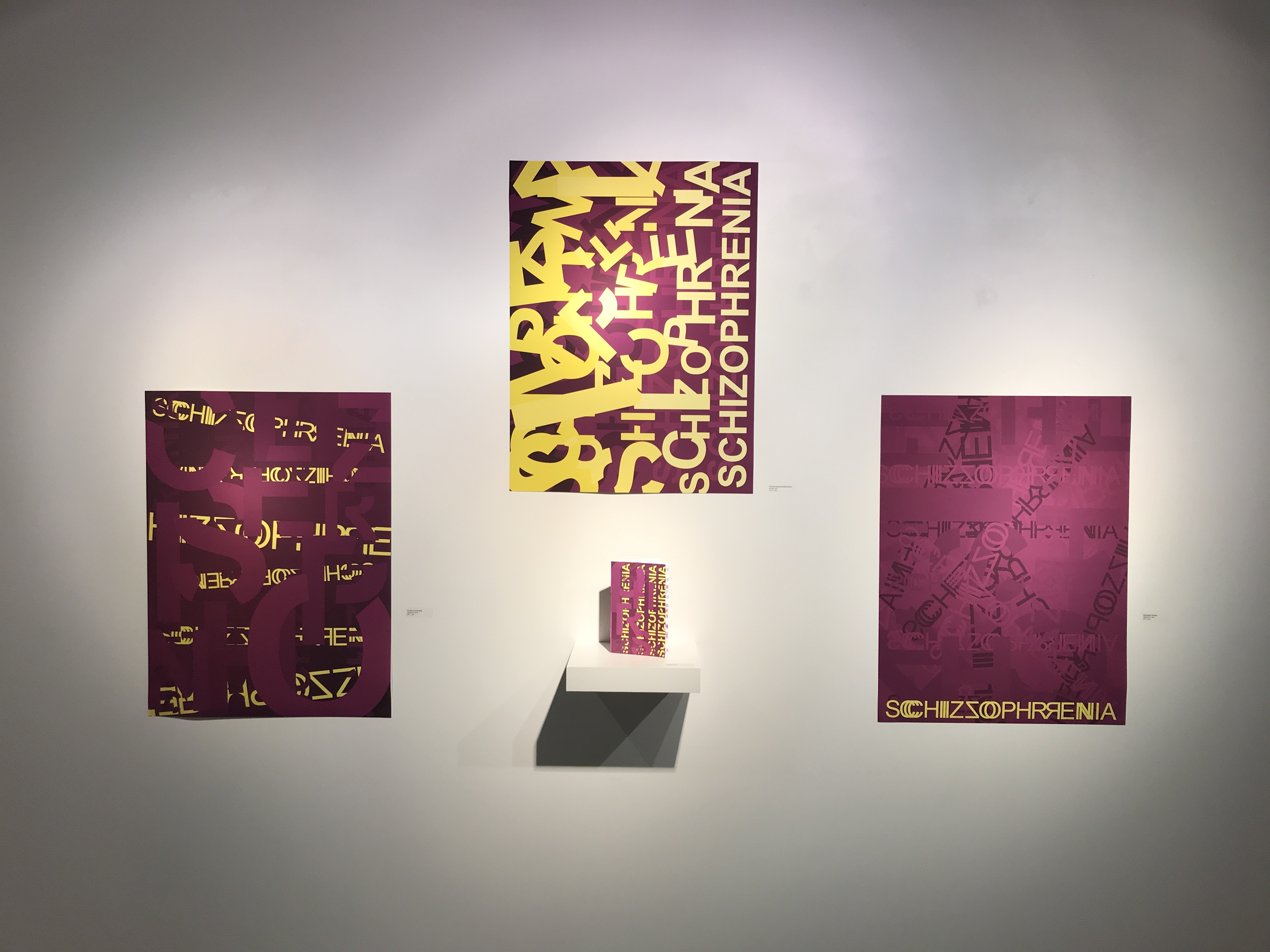
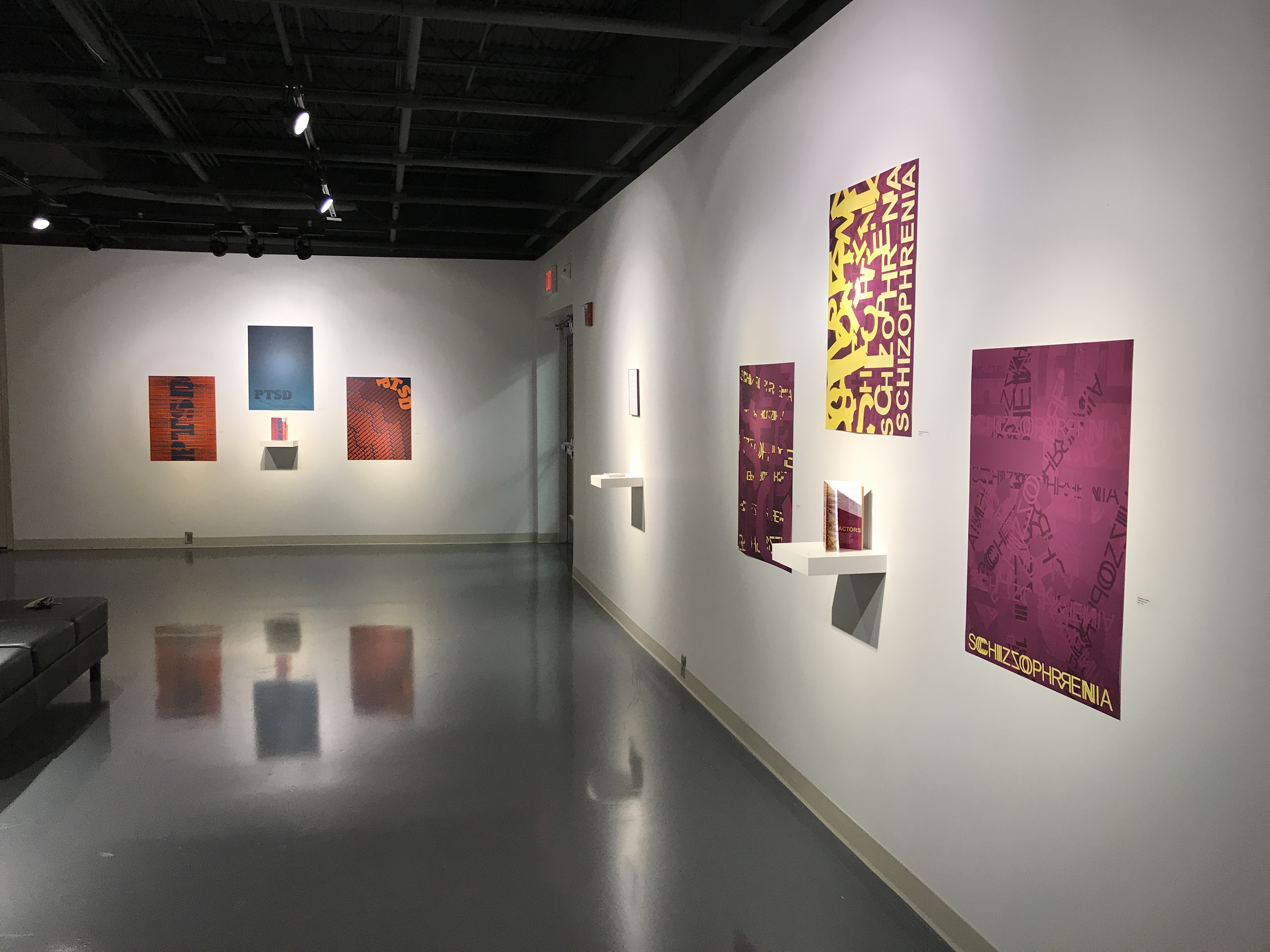
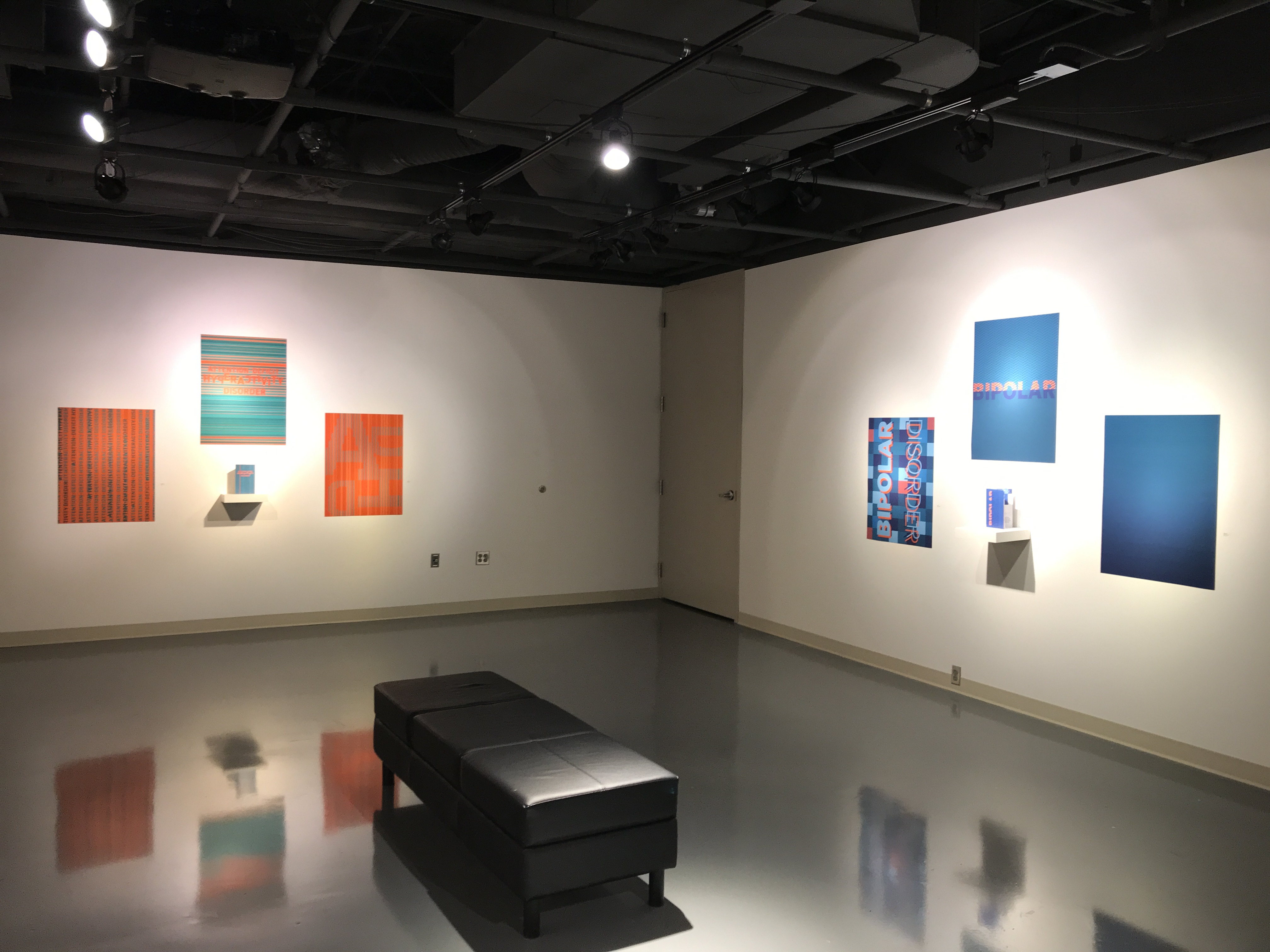







During a class focusing on psychopathy and all of the factors that play a role in it, I started to think about the way that psychological disorders are often surrounded by stereotypes in the way that they are represented. Compared to physical illness, mental illness is often perceived incorrectly. The complexity of psychological disorders is often portrayed in ways that do not accurately represent what people who are affected by these disorders actually experience.
Due to the stigma surrounding mental illness, it can be more difficult to seek help in order to get necessary treatment. The symptoms of psychological disorders are often not easy to recognize for anybody who is not experiencing them. I wanted to find a way to show viewers a visual representation of the symptoms that people who suffer from mental illnesses could be experiencing.


The psychological disorders that I focused on were bipolar disorder, post-traumatic stress disorder, obsessive compulsive disorder, attention-deficit hyperactivity disorder, and schizophrenia. I researched each of these disorders using the Diagnostic and Statistical Manual of Mental Disorders in order to better understand the symptoms associated with each disorder. I also focused on color theory and the feelings that are associated with different colors in order to relate them back to the individual disorders.
Each of the five psychological disorders has three posters that maintain similar colors, forms and typography in order to unify them. Each individual poster focuses on a specific symptom associated with a disorder without giving a definition of the disorder or symptoms. In addition to the posters, I have created booklets using informational content provided by the American Psychiatric Association in order to further describe each psychological disorder.